Rare Bicentennial Quarter coins : Rare Bicentennial Quarters from the 1970s continue to captivate coin enthusiasts across America, with fresh discoveries keeping the hobby alive into 2026.
These special coins, minted to honor the nation’s 200th birthday, hide unique flaws that set them apart from everyday change.
A Patriotic Design Born in Celebration
The United States buzzed with excitement in 1975 and 1976 as the country geared up for its bicentennial. The U.S. Mint decided to shake things up by adding a fresh reverse design to the Washington quarter for the first time in decades—
A spirited colonial drummer boy clutching a torch, encircled by 13 stars symbolizing the original colonies.
George Washington’s profile stayed on the obverse, but the dual dates “1776-1976” made it instantly recognizable. Mints in Philadelphia, Denver, and San Francisco churned out billions, ensuring these quarters flooded pockets and purses nationwide.
That massive production masked tiny imperfections from the high-speed presses, turning ordinary strikes into sought-after rarities.
Mint Marks and the Hunt for Silver Surprises
Spotting the mint mark is step one for any hunter—tucked right of Washington’s ponytail, a “D” signals Denver, “S” means San Francisco silver proofs, and no mark points to Philadelphia.
Denver alone pumped out over 860 million, but a handful slipped onto silver planchets meant for collector sets.
These accidental silver-circulation hybrids ring sharper when dropped and weigh a touch heavier, clues that perk up sharp-eyed collectors.
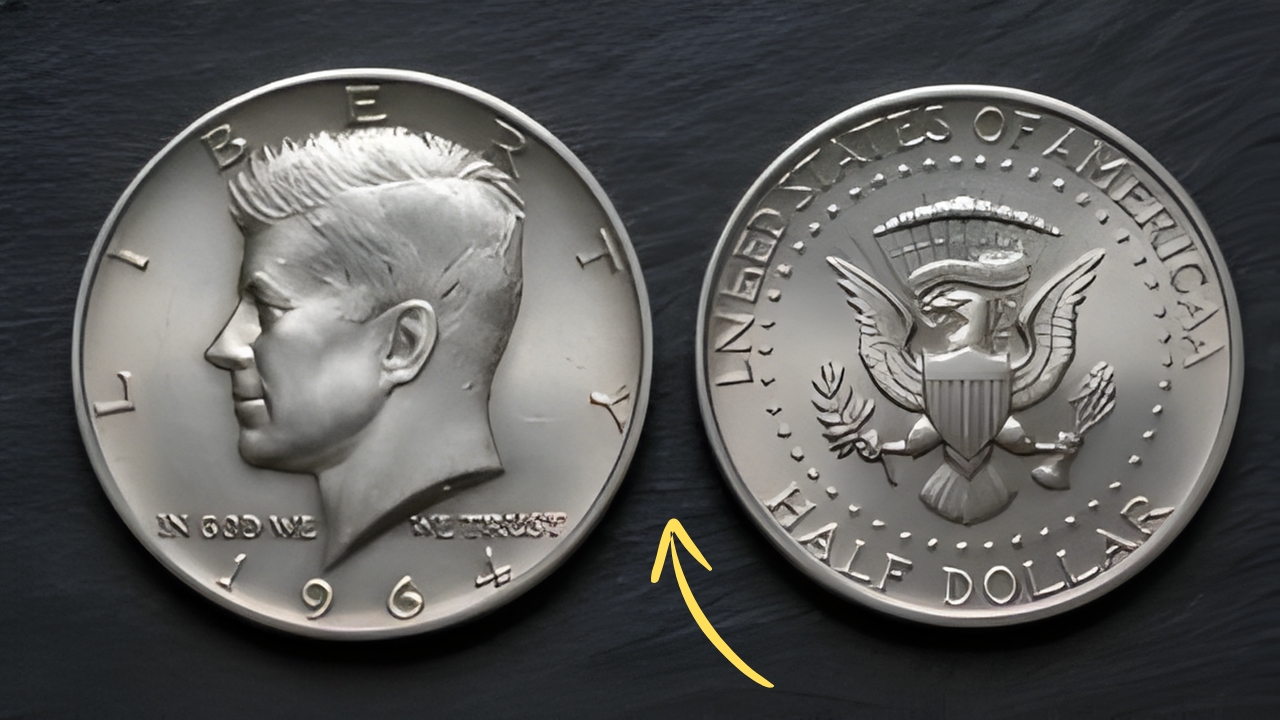
San Francisco’s “S” versions, mostly proofs with mirror finishes, occasionally escaped into the wild, their crisp details gleaming under light.
Philadelphia’s unmarked beauties often hide doubled dies, where “LIBERTY” or the dates show ghostly shadows from misaligned strikes.
Errors That Turn Change into Treasures
Double die errors steal the show, with faint doubling on the drummer’s sticks or Washington’s hair making hearts race. Off-center strikes shift designs sideways, while grease-filled dies leave blurry patches on letters.
Clad layers sometimes peeled away, exposing copper cores for a mottled look, or coins landed on wrong blanks, bloating thickness or altering tone. These flubs, born from rushed production, spark bidding frenzies among numismatists.
Even weak strikes or die cracks add allure, especially on coins preserving original luster without wear or cleaning marks.
Recent Finds Stirring the Collector World
Just last fall, a Denver “D” Bicentennial surfaced in an old family jar, its subtle silver sheen and doubled mint mark sending ripples through forums.
Videos from channels like Numismatics Nexus lit up YouTube, showing hunters dumping rolls of quarters under lamps, chasing that elusive ring.
In early 2026, estate sales yielded pristine “S” proofs overlooked for decades, their deep cameos popping under magnification.
History of Coins highlighted top varieties still circulating, urging viewers to check grandma’s cookie jar. These stories remind everyone that rarities lurk in plain sight, from bank bags to couch cushions.
Spotting Rarities in Your Spare Change
Grab a magnifying glass and bright light—start with the mint mark for clarity or doubling. Tilt for luster; silver edges lack copper stripes, and errors pop on the drummer or eagle equivalents from transitional tales.
Weigh suspects—a standard clad hits 5.67 grams, silver around 6.25. Avoid cleaning; bag it for a dealer or grader like PCGS. Patience pays—many pros started with pocket lint, flipping coins till anomalies jumped out.
Rare Bicentennial Quarter coins : The Thrill Keeps the Hunt Alive
Bicentennial Quarters blend history with mystery, proving everyday metal holds epic potential. As 2026 unfolds, fresh hunts via YouTube and shows keep the fire burning, drawing newbies and veterans alike.
Also Read This : These 8 Incredibly Rare and Valuable Coins change your life with the worth of $97 Million USD
The chase isn’t just about scores; it’s the pulse-quickening “what if” when a coin whispers its secret. Dive into your change—America’s past might jingle back.